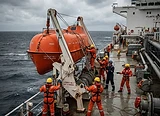
Isolation, long contracts, and high stress make seafaring mentally demanding. We discuss the challenges and the support systems that help.
Mental health at sea has long been a taboo subject. But as the industry confronts the reality that isolation, fatigue, and stress affect every seafarer, the conversation is changing. Mental wellness is not a luxury — it is a safety issue.
The Unique Challenges
Seafarers face mental health stressors that shore-based workers rarely encounter:
- Isolation from family and friends for months at a time
- Limited connectivity — unreliable internet prevents regular contact home
- Cultural and language barriers within mixed-nationality crews
- Heavy workload and chronic fatigue from long hours and disrupted sleep
- Anxiety about piracy, extreme weather, and vessel emergencies
The Impact on Safety
Fatigue and mental distress directly affect judgment, reaction time, and decision-making. Studies have linked poor mental health to increased accident risk on board. A crew member who is exhausted or depressed is more likely to make errors that endanger the entire vessel.
Support Strategies
Effective mental health support at sea includes:
- Pre-departure briefings that address mental health expectations
- Regular check-ins between crew members and senior officers
- Connectivity — providing affordable internet access for crew contact with home
- Buddy systems pairing experienced crew with newcomers
- Confidential support — helplines and counseling services accessible from ship
- Shore leave — ensuring crew can leave the vessel when in port
Changing the Culture
The most important step is breaking the silence. When senior officers talk openly about mental health, it gives every crew member permission to do the same. A vessel where someone can say "I am not okay" without fear of judgment is a safer vessel for everyone.
Mental health awareness training is increasingly available and should be part of every seafarer's professional development.