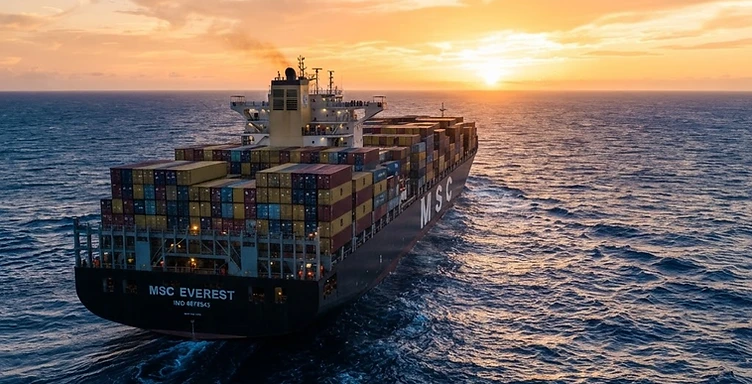
From the 1978 convention to the Manila Amendments and beyond, STCW has continually adapted to keep seafarers safe in a rapidly changing industry.
The International Convention on Standards of Training, Certification and Watchkeeping for Seafarers (STCW) has been the cornerstone of maritime safety since its adoption in 1978. Over nearly five decades, it has evolved to address new technologies, emerging risks, and the changing face of global shipping.
The Original 1978 Convention
Before 1978, there was no universally accepted standard for seafarer training. Individual nations set their own requirements, leading to wide variations in competency and safety outcomes. The convention established minimum standards that all IMO member states agreed to uphold.
The 2010 Manila Amendments
The most significant overhaul came in 2010, entering into force in 2012. These updates addressed critical gaps including security awareness training, ECDIS competency, leadership and teamwork requirements, and rest period regulations to combat fatigue-related accidents.
Recent Developments
The 2024 amendments further refined requirements for cyber security awareness and updated medical fitness standards. Revised training methodologies for remote and e-learning environments have also been incorporated, making it easier for seafarers to stay current.
What This Means for Seafarers
For today's mariner, STCW compliance is not a one-time achievement but an ongoing obligation. Refresher training and updated certifications mean that staying current is essential. Digital training platforms make this easier than ever, allowing seafarers to complete required updates at their own pace from anywhere in the world.


 Translate
