Fire remains one of the greatest threats to a vessel at sea. We examine the prevention strategies and response protocols that keep crews safe.
Fire at sea is every mariner's nightmare. With limited escape routes and fire-fighting resources far from shore, prevention is always the best strategy. STCW Basic Fire Fighting training provides the foundation, but real safety depends on daily vigilance and a strong safety culture.
Understanding Fire Classes
Different fuels create different fire types, and each requires a specific response:
- Class A — Solid materials like wood and paper (water, foam)
- Class B — Flammable liquids like oil and fuel (foam, CO2, dry chemical)
- Class C — Electrical fires (CO2, dry chemical — never water)
- Class K — Cooking oils and fats (wet chemical)
Using the wrong extinguisher can spread the fire or create dangerous reactions. Every crew member must know which extinguisher to reach for.
Prevention Best Practices
The best fire is one that never starts. Key prevention measures include:
- Regular inspection of electrical systems and galley equipment
- Strict hot work permit procedures for welding and cutting
- Proper storage of flammable materials away from heat sources
- Maintaining clear access to all fire-fighting equipment at all times
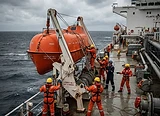
- Conducting regular fire drills so every crew member knows their role
The Human Factor
Most shipboard fires are preventable. They result from complacency, skipped procedures, or lack of awareness. A culture where every crew member feels empowered to report hazards — and where leadership takes those reports seriously — is the single most effective fire prevention tool on any vessel.